Breaking Barriers: The Life and Legacy of Nina Mae McKinney
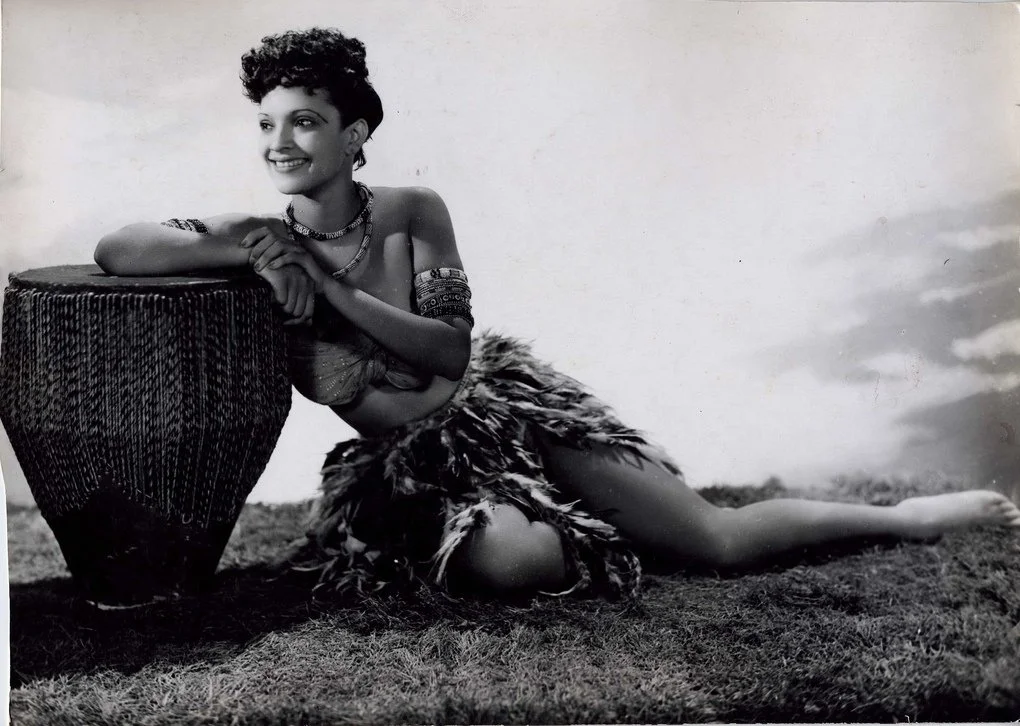
Nina Mae McKinney was one of the most talented and groundbreaking African American performers of the early 20th century. An actress, dancer, and singer, she rose to fame at a time when opportunities for Black women in Hollywood were extremely limited. Though her career was often constrained by racism and typecasting, her impact helped open doors for future generations of Black actresses.
From Small-Town Beginnings to Hollywood
Born Nannie Mayme McKinney in 1912 in Lancaster, South Carolina, she spent much of her childhood with her great-aunt while her parents moved to New York. Even as a young girl, she showed her flair for performance, entertaining herself with bicycle stunts and school plays. As a teenager, she moved to New York City, performing in Harlem nightclubs and joining the chorus line of Lew Leslie’s Blackbirds of 1928, a major Broadway revue.
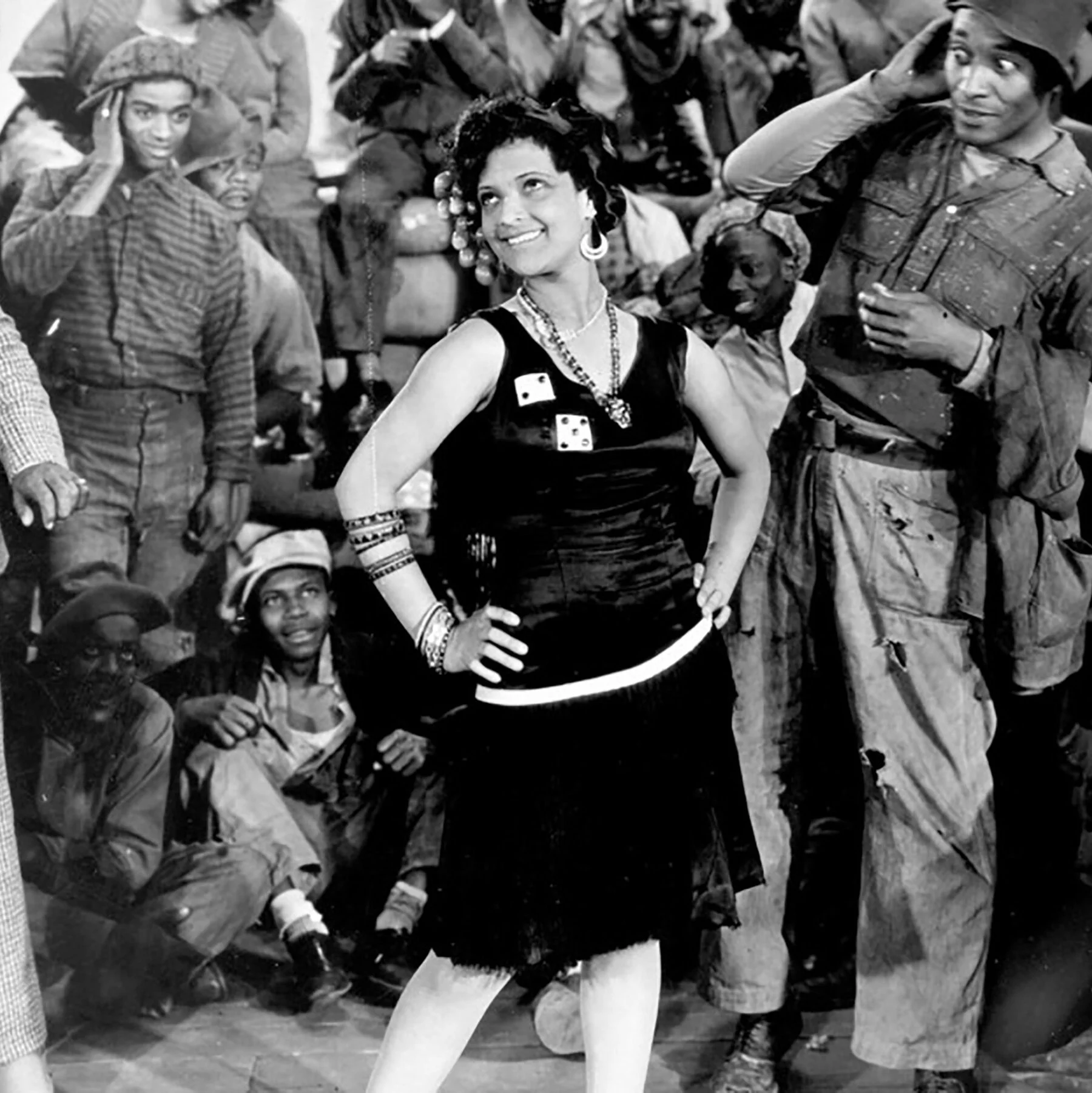
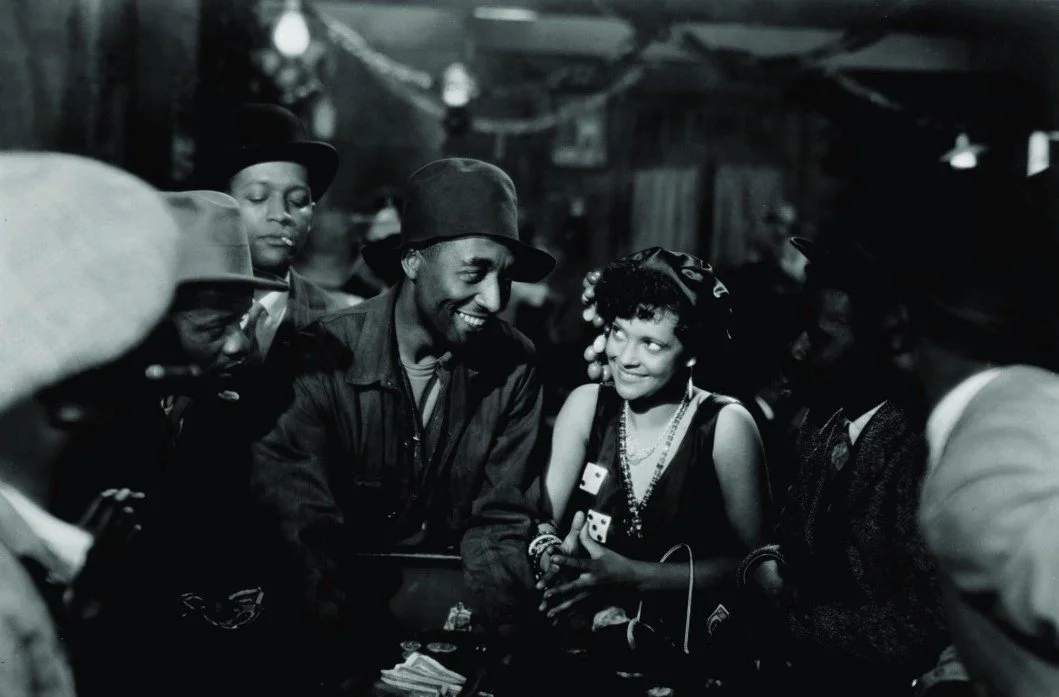
It was there that director King Vidor noticed her talent and cast her in the 1929 film Hallelujah, one of Hollywood’s first all-sound films with an all-Black cast. At just 16, McKinney captivated audiences as Chick—a bold, flirtatious singer and dancer. Critics praised her natural acting, expressive movement, and vibrant screen presence, and newspapers hailed her as the first Black movie star. MGM signed her to a five-year contract, and for a brief moment, it seemed she was poised to become a major Hollywood leading lady.
Facing Barriers in Hollywood
Despite her success, McKinney was often limited to minor or stereotypical roles, sometimes uncredited. While she appeared in films such as Pie, Pie, Blackbird (1932), Gang Smashers (1938), and Pinky (1949), Hollywood never fully embraced her talent. Like many Black performers of the era, she was confined by a system that offered few dignified roles for African American women.
Finding Success Abroad
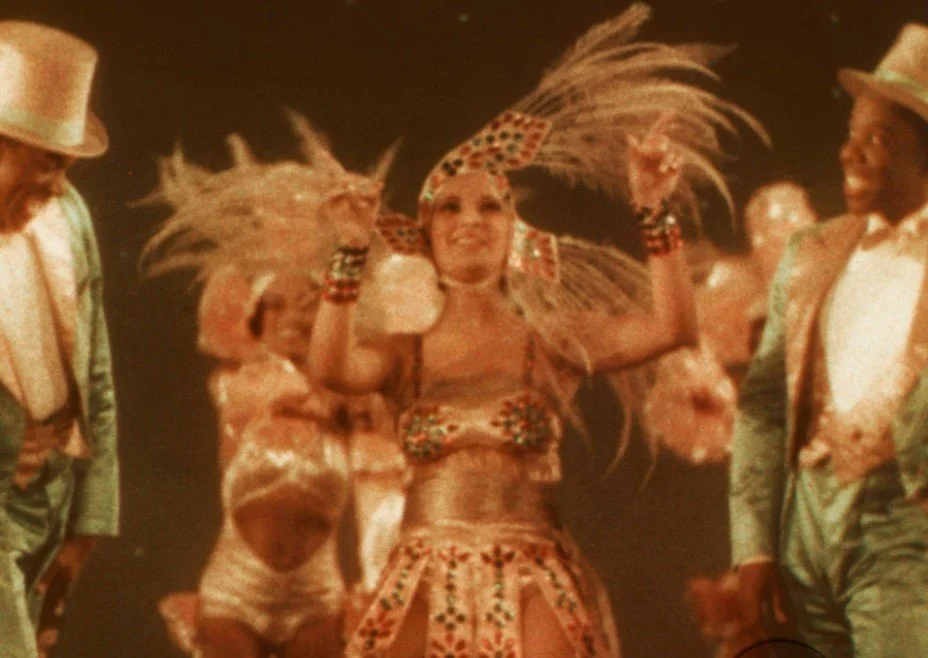
Frustrated by the limitations in the U.S., McKinney took her talents to Europe, performing in nightclubs and theaters across London, Paris, Budapest, and Dublin. She starred in British films, including Sanders of the River (1935) alongside Paul Robeson, and became one of the first African American performers on British television. Abroad, she earned the nickname “The Black Garbo” and found the artistic freedom Hollywood had denied her.
A Lasting Legacy
Though she gradually stepped away from performing in the 1950s, McKinney’s influence endured. Her dynamic screen presence and versatility inspired future Black actresses, including Dorothy Dandridge. She died in New York City in 1967 at age 54, remembered as a pioneering artist who proved that Black women could shine as leading stars—even when the industry wasn’t ready to embrace them.
Written by: Amanda Bernice
Resources:
Nina Mae McKinney: At the Dawn of Black Hollywood Stardom by Dabian Witherspoon
African American Actresses: The Struggle for Visibility, 1900–1960 by Charlene Regester
Black in the British Frame by Stephen Bourne
Video Resources:
1929 Hallelujah - https://youtu.be/CSLvC7auIOg?si=LpMh4GzvtJmEjNJj